
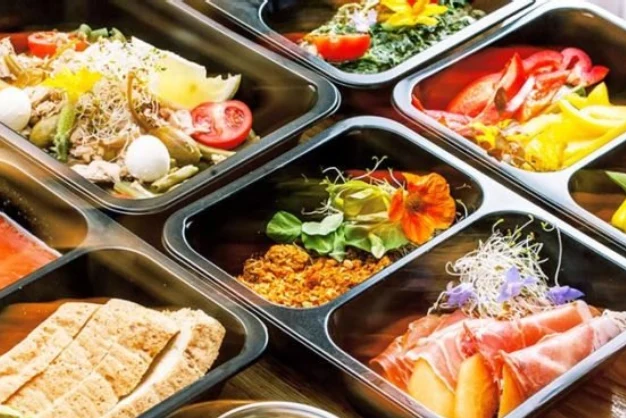
A kitchen that has no dining facility, no seats, no servers is called as a ghost/dark/cloud kitchen. Orders are received through an App or the customer calls the kitchen directly/internet-based ordering. Such kitchens are the future of the eating-out industry. Such facilities are now are popular across India. Located in low-rent areas, they maximize a restaurant’s ability to service online orders. They can also operate multiple brands utilizing the same kitchen and resources. Not only individual aspirants but food aggregators such as Zomato, Swiggy, Ola have now cloud kitchen where they provide good space utilization, common storage, refrigeration and lockers for staff. This means more market share and revenue at minimal added costs. They are economically more profitable than dining in a restaurant. Present COVID-19-impacted world, cloud/ghost/virtual/dark kitchens have taken an even more prominent role. While there can be multiple types of cloud kitchens, in the simplest terms a cloud kitchen is a kitchen that accepts orders only through phone-in or online ordering systems. It is a base kitchen that delivers food to the customers’ doorstep. There are some cloud kitchens backed brands that may have small physical outlets but essentially are backed by a base kitchen or a chain of cloud kitchens. Among the advantages a cloud kitchen model provides is a low rent to revenue ratio. Characteristically, these kitchens are based in non-premium locations that do not command a high rental. Since there is no dine-in facility, the space required to operate is reduced by 75-80 per cent compared with a traditional premium restaurant. Cloud kitchens also save on front of the house expenses. They are not limited by seats and do not have to turn back customers due to restaurant running on full capacity. They also have the opportunity to potentially expand at a faster rate as a result of low capex requirements. The online food delivery market, which was valued at INR 45.58 billion in 2017, is expected to grow at a compounded annual growth rate of about 38.08 per cent between 2018 and 2023, according to a report by Research on Global Markets. Of the total market size, dark kitchens constituted 30 per cent in 2017, the report said. The COVID-19 storm, the dine-in restaurant industry has suffered significantly with the initial 120-day shutdown and followed now by demand failure as patrons continue to stay home. It’s a reality that many restaurants will go out of business. Every restaurant big or small are in survival mode. In the short term, it will become critical for traditional restaurants to pivot to delivery for survival. Even if they do make the pivot, many still will not make it. In the current environment and with the continued uncertainty of the COVID-19 pandemic, cloud kitchens or food and beverages outlets backed by a cloud kitchen network have a better chance of survival and are likely the future of the food industry. With the hospitality industry, the public is aware that will pick up in the following months to come. For the same, Sheila Raheja Institute of Hotel Management, in Mumbai offers aspiring students to register with the them under the following courses: B.A. Culinary Arts B.Sc in Hospitality Studies Recent Posts Career Paths in Hospitality Beyond Hotels: Where Can a Degree Take You? Campus Life at SRIHM: Beyond Classrooms How SRIHM Prepares Students for Hospitality Careers — Myths and Facts About Hotel Management Careers What Facilities Make SRIHM a Preferred Hotel Management College in Mumbai for a Successful Hospitality Career Load More Our Programs Hotel Management Course B.Sc Hospitality Studies B.A in Culinary Art
Jan 18, 2023 There’s more to a meal… With taglines like “Every meal matters”, and “Bhel delivered faster than bail”, online aggregators like Zomato and Swiggy zoomed into the food industry even before one could bait an eye or analyze the gargantuan portion that they would slice out of the hospitality industry at large. Once the industry woke up to the immense market that the aggregators were gnawing into, talks and discussions and heated debates ensued to distribute this profitable market. That aside, one cannot argue that these online aggregators are here to stay. As we brace for, perhaps, another lockdown and as the Covid 19 threateningly re-surges again with mutations, driving us back to the safety of our homes—opening the apps and ordering our comfort foods seems to be the best resort. True, the online aggregators are heaven sent, especially during these trying times when the restaurants have to be closed to dine-in facilities. Not only for the weary customers, but also for the restaurants owners, this has been a respite. The online aggregators have been useful for restaurants with less back-end infrastructure to serve customers. The statistics received through these aggregators can also aid in tailoring their services to the demands of the customer, like the cuisines preferred or the average spend of a particular demographic. It also serves all the eateries, the established and the newbies, in the same platform—providing an equal space to be discovered by the customers. At the same time, the customers are often blamed for being fickle-minded as they sway for the attractive offers and discounts offered by the aggregators and the same restaurants might not enjoy their patronage for long. Many have pointed out that the system of online aggregators is unsustainable, with the low margins of profit that the restaurants gain after shelling out for commissions, packaging and delivery charges. However, the present times calls for such aggregators to be ever ready to serve the customers. With hands tied and doors closed, the restaurants have heavily relied on the aggregators to float their business and hopefully, to tide these trying times. Nevertheless, the space that the aggregators have occupied is miniscule compared to that of the hospitality industry. One cannot deny that food is not mere sustenance but an emotion. At an age when technology has offered the ease of ordering food with a click, we still run to the restaurants and hotels to be pampered with food. The rush to the restaurants when the first round of lockdown was eased, is a testament to the ever attractive force of the hospitality industry. We yearn for the clatter of plates and chatter of friends or even strangers. Be it to grab the burger with friends, or have a romantic candle-light dinner with your partner, or have an elegant dine-in or go for a business luncheon or even if you want to curl into that comfortable sofa in your favourite coffee-shop—the online aggregators with their aggressive promotions cannot bring that charm and magic into our homes. The aesthetics, ambience, comfort, elegance and beauty of the hospitality industry remain unmatched. Sheila Raheja Institute of Hotel Management, in Mumbai offers aspiring students to register with the them under the following courses: B.A. Culinary Arts B.Sc in Hospitality Studies Recent Posts Hotel Management at SRIHM: Your Gateway to Global Careers Apr 27, 2025 Hotel Management Course Details at SRIHM: A Complete Guide Apr 27, 2025 Top Culinary Institute of India – Courses, Careers & Admission Mar 17, 2025 Hospitality Management Course: Career, Scope & Colleges Mar 17, 2025 Load More Our Programs Hotel Management Course B.Sc Hospitality Studies B.A in Culinary Art
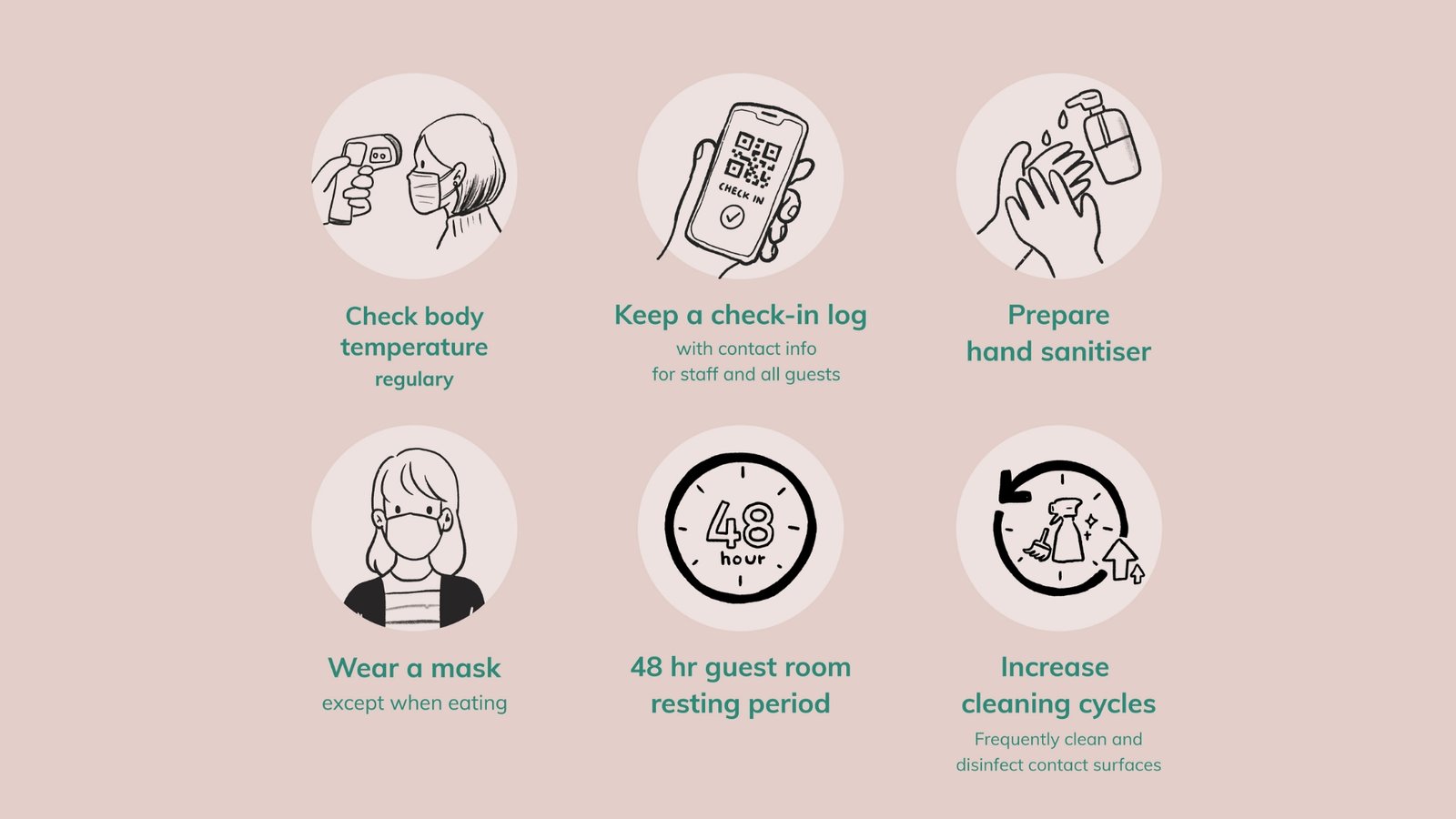
The Impact of Covid 19 on Hospitality Industry in India Coronavirus, now globally carrying the status of a pandemic, has led to a worldwide crisis with its effects on the hospitality industry potentially heavier than those of 9/11, SARS, and the financial crisis in 2008. This time, however, the hospitality industry has experienced a sudden downturn. Putting the human at the center of the situation, the virus generates deep fear, confusion, and impacts us in a deeply emotional way that this generation has never felt. Of course, on top of this, physical confinement is aggravating the situation. Uncertainty on the jobs and economy front is also another reason for the reticence for patrons to throng their favorite restaurants or head to a resort, in addition to the fear of COVID-19. But when the going gets tough, the tough get going. And even though the hospitality industry has been one of the worst-hit by the pandemic (up there with the airlines), out-of-the-box thinking by hotel chains have seen many adopting unconventional, if effective, new growth models to tide over the present crisis. Super luxury hotels like JW Marriott and Shangri-la all come for just around Rs 5,000, while the starred property Novotel Aerocity, owned by the owners of Indigo airline, offers fares around Rs 2,000 rupees. Many leading hotel groups have reported bookings going up in resorts situated around, or within driving distance from Delhi NCR for example, like Manesar, Neemrana and Bhimtal. Bookings are solid at tourist hot spots in the north like Jaisalmer and Palampur. Ironically, business hotels in smaller towns are seeing more business than in the metros, especially in states with lesser COVID-19 figures. With most people not ready to dine out, many hotel chains have come up with measures, Taj hotels, for example, launched an app called Qmin where guests can order dishes from the F&B outlets of the hotel, while many others finally got listed on food aggregator apps like Swiggy. Many others now do ‘DIY kits’ of restaurant-grade ingredients that would be delivered home, while some even organized social media gigs or classes online. Sarovar group’s DIY food kits also came with a recipe and a live video call facility with their chefs, who would instruct the guests on the proper cooking process. And at restaurants at leisure properties, where there is a rush, it is a whole new way of dining—tables and chairs are kept apart, with some marked with ‘Do not sit’ signs. Menus come with QR codes, and even at buffets, dedicated waiters wearing protective gear take the required food item on request and serve it at the table, to reduce crowding at the buffet counters. Most items, from dals to other dishes, now already come pre-portioned at the buffets, making it easier to maintain the safety protocols. Interestingly, some hotels are going beyond their bread-and-butter of rooms and restaurants, letting go of some precious revenue their way. Hotels are supposed to be the most hygienic place, even before COVID-19 hit. Since they specialize in this, hotels have started giving services of sanitization of work and commercial space, and homes. thus, it is a completely new field of revenue generation. Sheila Raheja Institute of Hotel Management, in Mumbai offers aspiring students to register with the them under the following courses: B.A. Culinary Arts B.Sc in Hospitality Studies Recent Posts SRIHM – Best Hotel Management college of Mumbai Should Hospitality Sector concentrate on Increasing Digital Footprint “Cloud Kitchen” the ray of hope for restaurant business Career prospects after BA in Culinary Art The Impact of Covid 19 on Hospitality Industry in India Zomato, Swiggy : A boon or bane to the Hospitality Industry Eco friendly Housekeeping Practices Laundry Visit